


- Prima Notizia 24
- From our correspondent in Bangkok - Domenica 24 Maggio 2026, 17:45
L’Antica Pizzeria Da Michele in Bangkok. The Temple of Neapolitan Pizza and its experience in “the city that never sleeps”
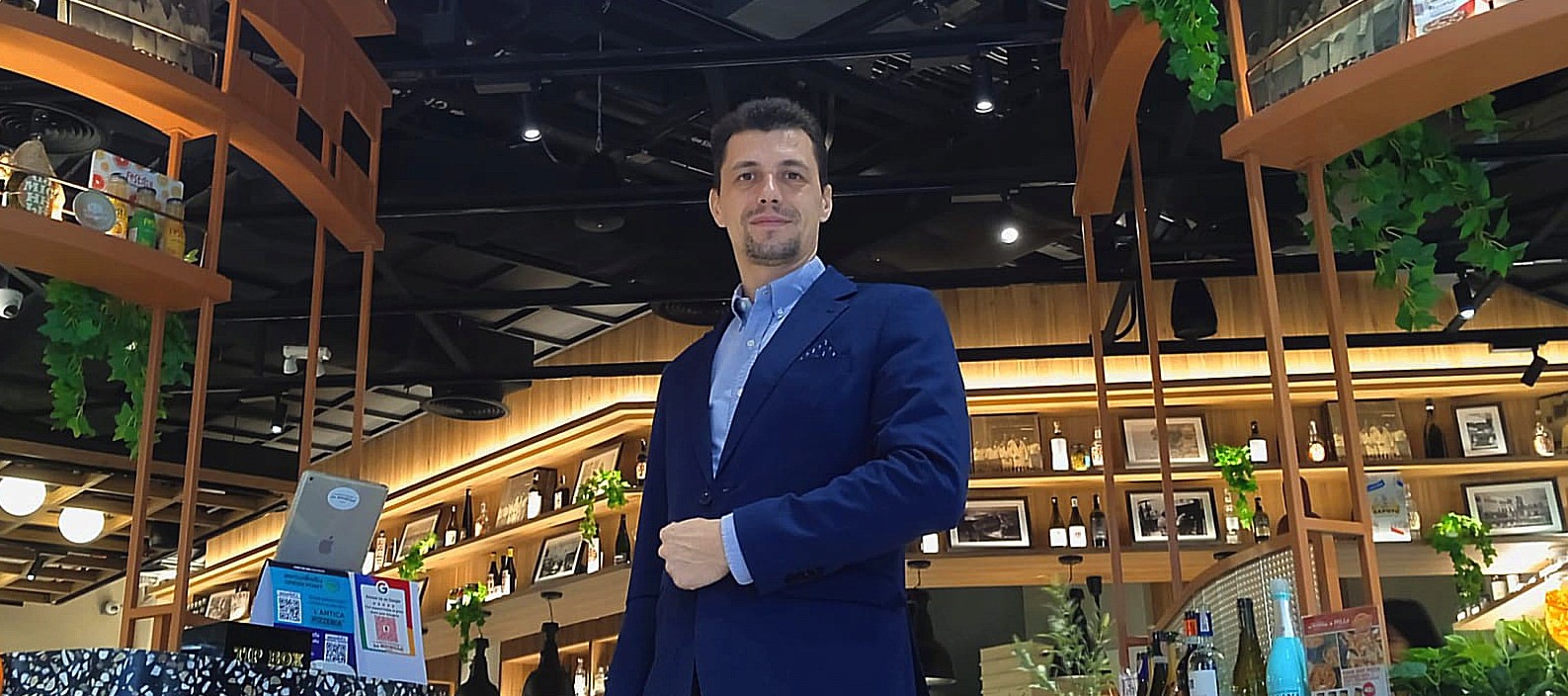
In the words of Artom Viglione, manager of L’Antica Pizzeria Da Michele Bangkok, the success of a brand that combines the roots of its tradition with modernity and its ever-evolving demands.
Condividi questo articolo


di Francesco Tortora
Artom Viglione, 37, with his engaging demeanor and extensive professional experience in restaurant and hospitality management, is a fine ambassador for our country in Asia. He comes from a recent six-year stint in Singapore, where he worked in management for various Italian restaurant companies, including in the Thai capital, the “city that never sleeps.”
Operating in the restaurant industry and managing a business in such a complex field requires not only extensive expertise but also the ability to anticipate trends, consumer preferences, and economic developments. How does the brand “L’Antica Pizzeria Da Michele” fare in this regard?
L’Antica Pizzeria Da Michele has established itself as a well-established brand, with a history rooted in time, as it was founded in 1870. Since then, by accumulating experience and professionalism, it has begun to export its expertise and history to various cities around the world—Rome, London, Tokyo, Dubai, Geneva, Fukuoka, Singapore, Los Angeles, and New York, to name just a few. In fact, the planning and strategy for upcoming international locations already includes plans to expand with additional locations.
What are the key characteristics of the “L’Antica Pizzeria da Michele” brand?
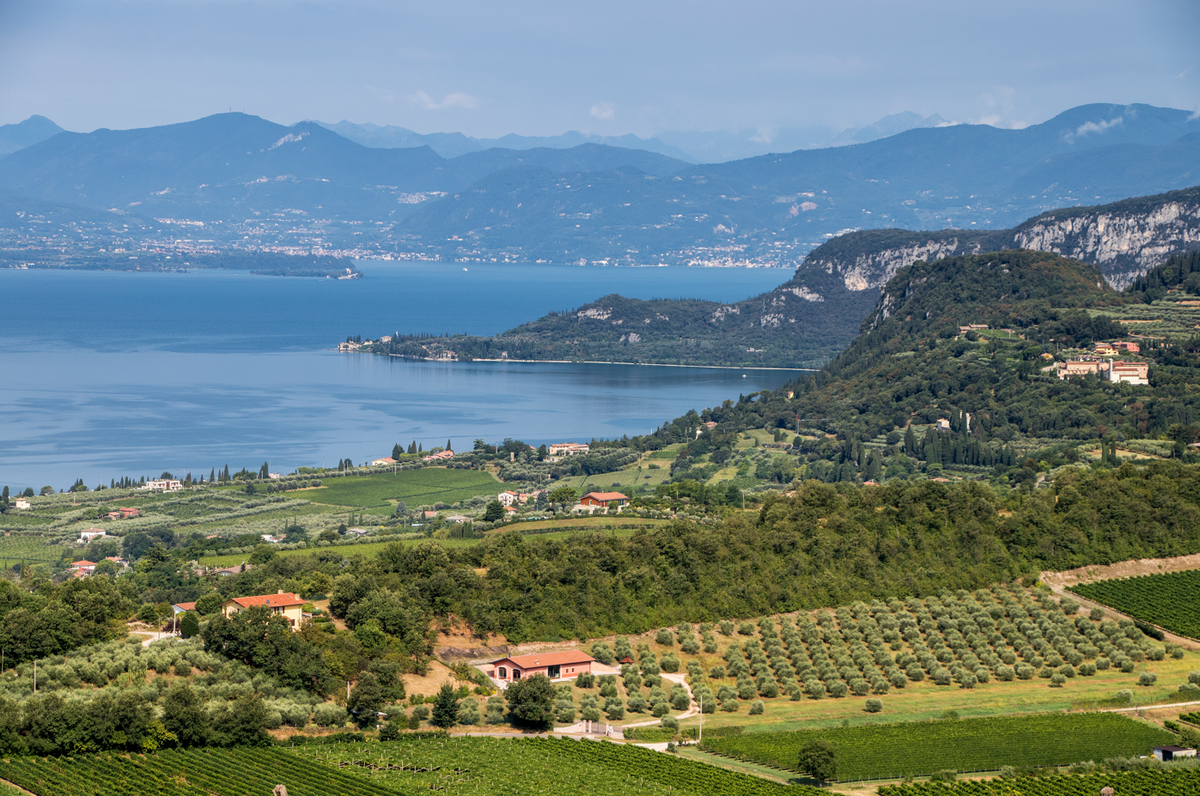
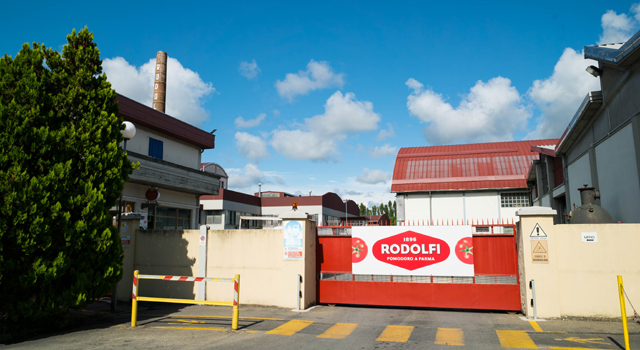
First and foremost, we have always strived to maintain the high standard of our offerings, relying on Italian brands that consistently deliver top-tier quality over time: flours, canned goods, peeled canned tomatoes, high-quality oils, and mid- to high-end wines that are widely recognized and have a well-defined identity—not only on the international stage but also at home—truly embodying “Made in Italy” around the world. Coffee and coffee-based products, such as tiramisu, are all hallmarks of Italian cuisine worldwide; the bread-making process, the types of pizzas, and even the method of baking the pizzas themselves have been carefully evaluated by company leadership. The oven, for example, was not built with equipment and materials found in Thailand but was also imported from Italy, precisely to ensure the identity and high quality of the pizza from “L’Antica Pizzeria da Michele” even in Thailand, in Bangkok.
Italian cuisine is now firmly established in Asia, and Bangkok is certainly an extremely interesting “hub” given its location and significance within the Southeast Asian region. Given the high level of competition in this regard, how is it possible to forecast trends and predict productivity?
It is a very complex task, determined above all by a series of intervening factors and variables that are difficult to fathom, especially in historical moments such as the present one. The highly conflict-ridden situation in the Middle East, the uncertainty surrounding the transport of goods and foodstuffs through the Strait of Hormuz, the resulting rise in prices and costs of goods, foodstuffs, and oil, and consequently the decline in air travel—which has been severely compromised by all of this—lead to a confusing, nebulous scenario where market strategies become difficult to plan and predict. Let me give you an example: here in Thailand, in Bangkok, we saw a drop in customer numbers during Songkran, the national Festival of Purification, known worldwide for the crowds that gather in city centers—especially in Bangkok—where people splash and drench each other with water all the time. Well, our clientele—predominantly international—was largely busy enjoying the festivities and the lighthearted, carefree atmosphere of Songkran out on the streets. We must also consider the ripple effect this creates, in the sense that a potential customer who fully enjoyed that moment of social and festive lightheartedness preferred, for a few more days, to spend time in a more relaxed manner, even avoiding restaurants or venues frequented by international tourists. This is an example of the many factors that must be taken into account during management and planning in the restaurant industry.
We must also take into account the fact that—during this period—many restaurants and entertainment venues have opened, but many have also closed, precisely for the reasons mentioned above.
Given all this, what are L’Antica Pizzeria da Michele Bangkok’s goals for the immediate future?
Certainly to consolidate, but also to continue expanding. This is in the very spirit of pioneers, just like the founding fathers of the “L’Antica Pizzeria da Michele” brand. In fact, we are carefully discussing the upcoming opening of another shophouse in Thailand, likely right here in Bangkok, though with a slightly different layout and slightly smaller scale compared to the first location opened inside the Siam Paragon Mall, one of the most renowned and largest malls in the East and the world. It is no coincidence that L’Antica Pizzeria da Michele Bangkok will open in November 2025 within the new “Nextopia” pavilion, where everything is centered on sustainability, a green future, and a vision that places greater emphasis on the environment.
RIPRODUZIONE RISERVATA © Copyright Prima Notizia 24